Open Today Sales: 8:30 AM-6 PM


As the roads begin to clear up, there’s no better time of year to bring your car in for maintenance. At Ressler Chevrolet, we’re Gallatin Valley’s go-to experts for all your Chevy needs, from changing winter tires on your Chevy Silverado to helping with your car battery health check. Winter is tough on all cars, and as we transition out of it, it’s important to ensure your Chevy gets all the care it needs after battling through salt, snow, and ice. In the sections below, we’ll detail what you can do to ensure your car’s health after the winter, and we’ll also outline the best time to switch from winter tires to all-season tires. Whether you’re looking for a seasonal tire swap, or you’re looking for undercarriage wash and protection treatment, our Chevy service center in Bozeman can help. Schedule your service appointment online today.

As the warm weather melts the snow, it’s a great opportunity to take stock of what your vehicle needs as summer approaches. The rapidly fluctuating spring temperatures bring their own stressors to your car. Below are a few things to check on to see where your car stands:
Just a few minutes of inspecting your car can tell you what it needs going into the spring, ensuring your safety and the longevity of your Chevy. Schedule your next service appointment with Ressler Chevy today.
As the roads thaw, we always get asked when to switch from winter tires to all-season tires. Usually, the answer depends, but there are some signs we keep an eye out for. While not an exact science, most tire manufacturers recommend switching from winter tires to all-season tires when daytime and nighttime temperatures are above 45 degrees. It’s important to switch to your summer tires as the weather warms because winter tires are softer and less durable. While that’s perfect for driving in cold weather, in warm weather, it causes your winter tires to degrade more quickly. Conversely, all-weather tires harden in cold weather, which is why winter tires are a popular choice in Montana. If you use all-season tires through the winter, spring is a great time to get a tire rotation, as we want to ensure the wear on your tread remains even, so you get the most from your tires.
Driving through thick Montana snow and ice can cause all sorts of damage to your Chevrolet. Sure, damage like cracked windshields and chipped paint are more obvious signs of a hard winter, but during a post-winter damage inspection, we pay close attention to your undercarriage. As your car scrapes across snow and ice for half the year. That can bring moisture to get trapped and cause your car to rust or even cause damage to seals and paint. At Ressler Chevy, our factory-trained technicians have decades of experience working on all sorts of Chevys, and our expertise ranges from everyday maintenance like seasonal tire swaps to more in-depth repairs. All our repairs and maintenance components come straight from our OEM Chevy parts center, ensuring you get warranty-backed parts with every repair.
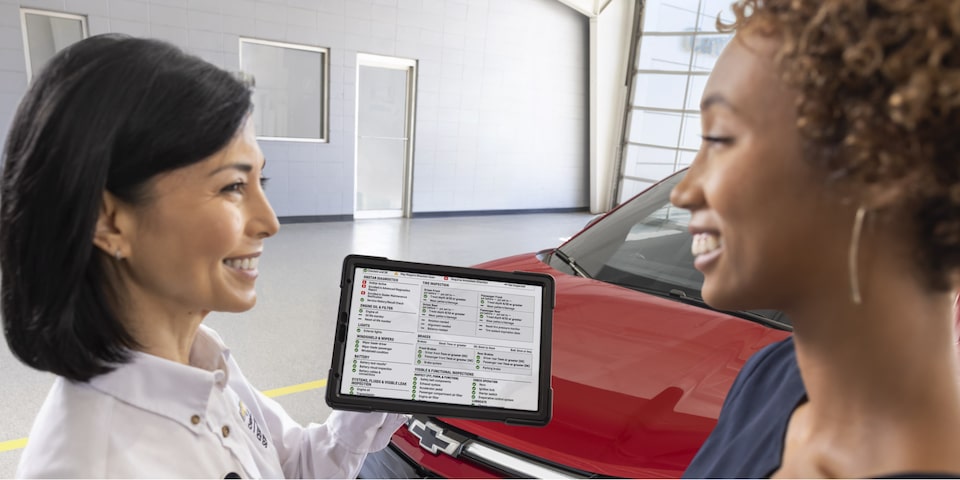
If you’re due for an oil change or tire rotation this spring, make sure to ask your technician for a quick post-winter damage inspection. We’re here to get you in and out as quickly as we can, so be sure to schedule your Chevy Express Service to save time at our service center.